Sage Roth · 2 September 2026
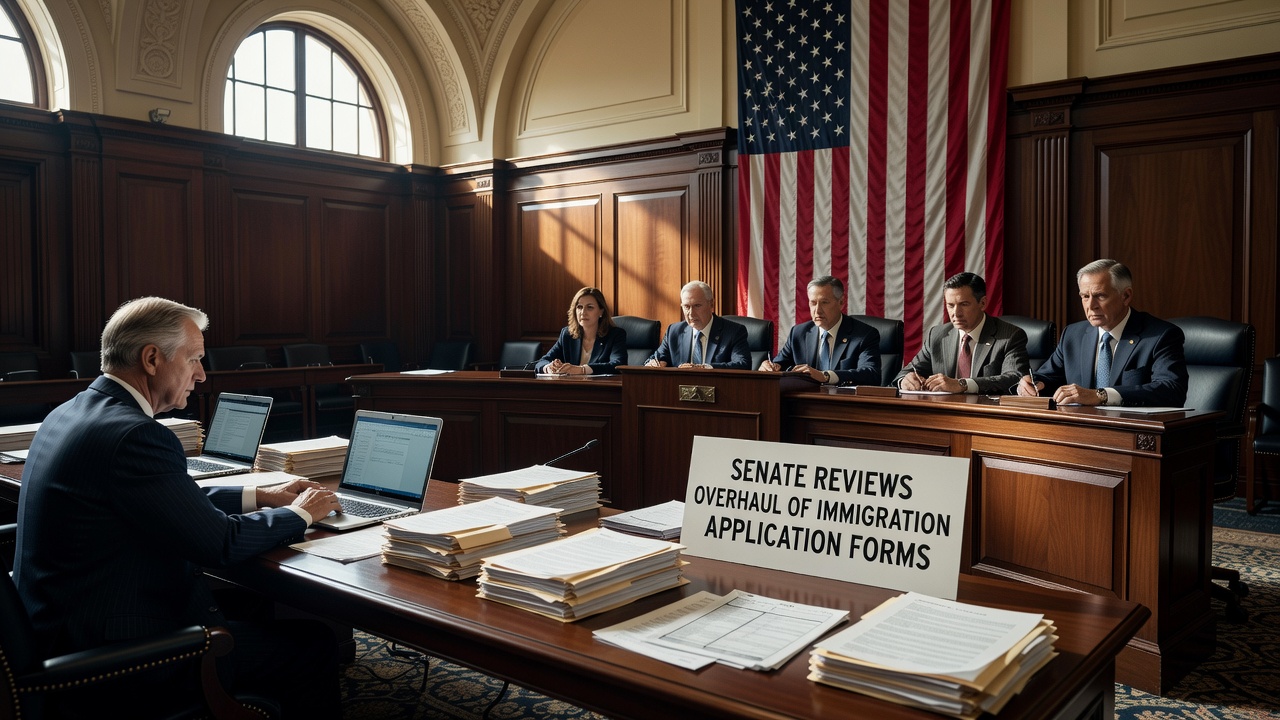
The U.S. Senate is examining proposals for a comprehensive overhaul of immigration application forms as part of efforts to modernize the system. This review aims to streamline processes and reduce errors in submissions that have plagued applicants for years. Lawmakers are focusing on simplifying language and updating digital interfaces to better serve applicants from diverse backgrounds around the world.
Key Elements Under Consideration
Among the changes discussed are the consolidation of multiple forms into fewer documents and the introduction of clearer instructions for each section. Senators have heard testimony from immigration experts who highlighted frequent mistakes due to confusing terminology in the current versions. The overhaul could also incorporate more multilingual support to assist non-English speakers effectively. Data from recent years shows that application rejections often stem from incomplete or incorrectly filled forms, leading to significant delays in processing times for thousands of cases annually.
Form analysis specialists note that current forms contain redundant fields that could be eliminated without compromising necessary security checks. This review comes at a time when immigration volumes are increasing steadily, putting additional pressure on existing administrative systems nationwide. Platforms like Formwell Form Analysis have provided insights into common error patterns observed across submissions.
Potential Benefits for Form Processing
If implemented, the new forms might reduce processing backlogs by up to 30 percent according to preliminary estimates from government analysts. Enhanced digital tools could allow for real-time validation of information, minimizing the need for follow-up requests from applicants. Experts in form analysis emphasize the importance of user-centered design in these revisions to improve overall efficiency. Such improvements would not only benefit applicants but also government agencies tasked with managing high volumes of paperwork each fiscal year.
Stakeholders from various sectors have expressed support for the initiative, though some concerns remain regarding data privacy in new electronic systems being proposed. The Senate committee plans to continue hearings next month to gather additional input from experts and advocates before drafting any comprehensive legislation. Overall, this overhaul represents a significant step toward modernizing immigration procedures in the United States for years to come.